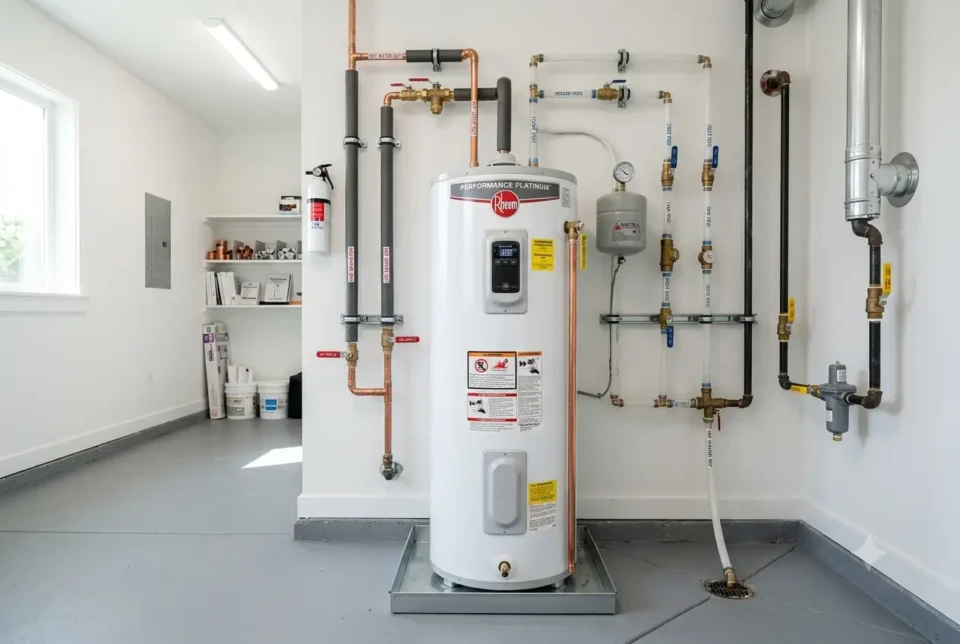
Most of us only think about the hot water system when it stops working. A cold shower on a winter morning has a way of focusing the mind.
The good news is that a little attention now and then can head off a lot of those surprises. You do not need to be handy or own a toolbox full of gear. Much of it is about knowing what to look for, keeping an eye on a few simple things and calling in a professional at the right time.
Here is a practical guide for Aussie homes, whatever type of system you have.
Why maintenance matters more than people think
A hot water system quietly works every day, often for years without a second look. According to the Australian Government’s Your Home guide to hot water systems, hot water is one of the larger energy users in a typical home. So a system that is struggling, leaking or running inefficiently is not only an inconvenience. It can cost you money month after month.
There is a safety side too. Hot water systems deal with heat, pressure and, depending on the type, gas or electricity. Small faults left alone can turn into bigger ones.
And there is the plain old cost of being caught off guard. A planned replacement is a lot less stressful than an emergency at 6am with a full house of people wanting showers.
First, know what type of system you have
Maintenance depends a bit on what is sitting outside your house or in your roof space. The main types in Australian homes are:
- Electric storage. A tank that heats and holds water, powered by electricity.
- Gas storage or gas instantaneous. Storage models hold a tank of heated water. Instantaneous (continuous flow) models heat water as you use it.
- Solar. Roof panels collect heat from the sun, with a gas or electric booster for cloudy days.
- Heat pump. Draws heat from the surrounding air to heat the water.
If you are not sure which one you have, check the compliance plate or label on the unit. It usually shows the brand, model and capacity. Take a photo of it and keep it on your phone. It will come in handy when you need parts or advice.
Simple checks you can do yourself
You do not have to open anything up. Most of the useful checking is just looking and listening. Doing a quick walk around every few months is a good habit.
Look for leaks and drips
Check around the base of the unit, the pipes and the connections. Pooling water, damp patches, rust stains or mineral build up are all worth noting.
One thing that confuses people is the pressure relief valve. It is a safety device, and it is normal for it to release a little water now and then as the water heats up. But if it drips constantly or runs steadily, something is not right. Never block or cap it. That is a safety fix for a professional.
Check the area around the system
Keep the area clear. Gas units need proper airflow and ventilation, so do not stack boxes, paint tins or garden gear against them. Keep flammable items well away. For outdoor units, check that plants, leaves and rubbish are not crowding the unit or blocking vents.
Watch the water itself
Your water tells you things. Look out for:
- Discoloured or rusty water, especially from the hot tap only
- Water that smells odd
- Lukewarm water when it used to be properly hot
- Hot water running out much faster than before
- Strange noises such as banging, popping or rumbling
Rumbling or crackling can point to sediment built up in the tank. Rusty water can point to corrosion inside. None of these should be ignored for long.
Look at the base and the ground
Tanks that sit on the ground need a stable, level base. If the ground has eroded or sunk, or the tank is leaning, it should be looked at promptly. A tank on an uneven surface puts stress on the connections and can lead to leaks.
For solar systems
Check the panels on the roof if you can see them safely from the ground. Shade from growing trees, dirt, bird droppings or cracked glass can all reduce performance. Also remember the booster. If it is not working properly, you may only notice when the weather turns cloudy and the water goes cold.
For gas systems
Pay attention to the flame if you can see it through a viewing window. It should be mostly blue. A lot of yellow or orange flame, black marks around the unit or a gas smell all need prompt attention from a licensed gas fitter. If you smell gas, leave the area and call your gas supplier’s emergency line.
For heat pumps
Make sure air can move freely around the unit. Keep it clear of debris, and if your model has a filter or air intake that the manufacturer says you can clean, follow the manual.
Safe temperature settings
This is one of the most misunderstood parts of hot water. In general, water in a storage tank is kept hot enough to prevent the growth of bacteria such as Legionella. Many Australian plumbing guidelines refer to storage at 60 degrees or above for this reason.
But water that hot at the tap would be dangerous, particularly for children and older people. That is why a tempering valve is used. It blends cold water with the hot so that what comes out of your taps is at a safer temperature, commonly around 50 degrees.
So please do not turn down the thermostat on a storage system just to save a bit of money without checking what it should be. Lowering the stored temperature can create a different kind of risk. If you are unsure about your settings, ask a licensed plumber to check them for you.
What a plumber should handle
Plenty of homeowners are happy to do visual checks, but some tasks are best left to a licensed professional. In Australia, work on hot water systems often involves plumbing, gas or electrical licensing, and for good reason. These include:
- Replacing valves, including pressure relief and tempering valves
- Replacing heating elements, thermostats or burners
- Draining and flushing the tank
- Checking or replacing the anode, which is a sacrificial rod inside many storage tanks that helps slow internal corrosion
- Any work on gas connections, flues or electrical wiring
- Relocating or replacing the system
A lot of people ask whether they should be draining their tank every year. It depends on the system, your water quality and what the manufacturer recommends. If you live in an area with hard water or use bore water, sediment and scale tend to build up faster. In many cases, it is better to have a plumber check this during a service than to do it yourself and risk damaging something or getting scalded.
How often to have it serviced
There is no single schedule that suits every system. A good starting point is to read the manufacturer’s manual. It will tell you what is recommended for your model, and sometimes it affects your warranty as well.
As a general rule of thumb, having a licensed plumber look over your system every year or two is sensible, especially once it is out of warranty or getting on in age. They can check valves, test for leaks, look at the condition of the tank and spot problems you would never notice.
How long should a hot water system last?
It varies by type, brand, water quality and how well it has been looked after. Many storage systems last somewhere around ten years, though some go longer and some give up sooner. Instantaneous systems and heat pumps have their own lifespans, so check what your manufacturer says.
Signs that your system may be nearing the end include frequent repairs, rust, repeated leaks, inconsistent temperatures and rising energy bills. If you are spending money on repair after repair, it is worth asking whether replacement makes more financial sense.
When to call a plumber straight away
Some things should not wait. Call a licensed professional promptly if you notice:
- Water leaking from the tank itself
- A relief valve that will not stop running
- No hot water at all, or a sudden loss of heat
- Rusty or discoloured hot water
- A tank that has shifted or is sitting at an angle
- Any gas smell, soot or unusual flame (for gas, treat it as urgent)
- Scalding hot water at the tap, which may point to a faulty tempering valve
A qualified plumber who handles hot water system repairs and installation can work out whether the problem is a simple part replacement or something bigger, and whether repair or replacement is the better option for your home.
Thinking about the next system
If your system is getting old, it can be worth using the opportunity to think about what suits your household now. Solar and heat pump systems often cost more upfront, but they can bring running costs down, which is why many households look at them when it is time to replace. The right choice depends on your roof, climate, household size, existing connections and budget, so it helps to get advice before you commit.
A little attention goes a long way
Hot water systems do not ask for much. A quick look every few months, some common sense about safety and a regular check from a licensed plumber can add years to the life of your system and save you from the unpleasant surprises.
Next time you walk past your system, give it a glance. If something looks off, sounds odd or just does not seem right, trust that instinct. It is almost always cheaper and easier to deal with early than to wait for the cold shower.
